



What to look for when buying a used truck in Oregon
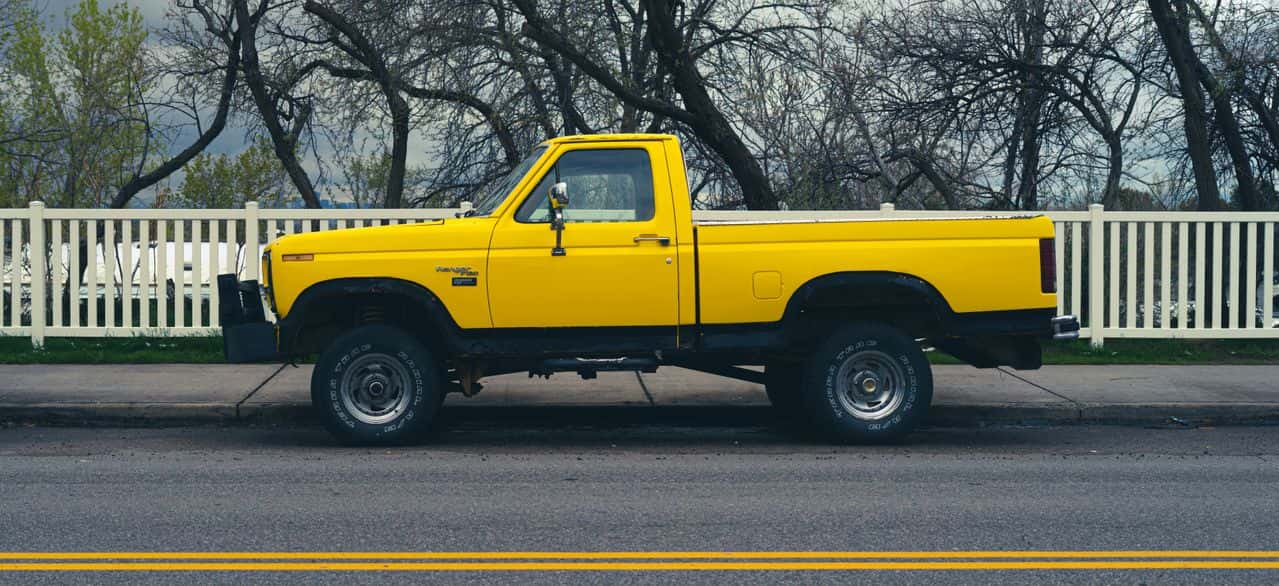
Photo by Andrew LaBonne on Pexels
Buying a used truck in Oregon isn’t quite the same as buying one anywhere else. Mountain passes demand chains in winter, coastal moisture eats away at frame rails, and the DMV process has its own quirks, so there’s more to check than tire tread and paint color. This guide walks through what to look for, starting with drivetrain decisions and ending with the paperwork that finalizes your purchase. If you’d rather skip much of the legwork, browsing our used truck inventory at Kiefer Mazda gives you access to trucks that have already been through a dealership-level review process.
Why Buying a Used Truck in Oregon Requires Careful Consideration
Oregon’s geography throws a lot at a vehicle. Coastal rain in the Willamette Valley wears down a truck one way, while gravel forest roads and winter runs over the Cascades wear it down another. A truck that spent its life commuting on I-5 near Eugene shows different wear than one that hauled loads through mountain snow. A checklist for buying a used truck needs to account for regional climate, terrain, and Oregon-specific rules around emissions and registration, not just generic used-vehicle advice.
Define Your Budget and Truck Needs
Get honest about what truck you actually need before test-driving anything. A first-time truck buyer often overspends on capability they’ll never use, or underspends and ends up needing a bigger rig within a year. Work backward from your actual use case (daily commuting, towing a trailer, hauling job-site materials, occasional weekend trips) and let that guide what size truck makes sense. A compact or midsize truck handles Eugene traffic and parking easier, while a full-size model makes more sense if towing capacity or payload matters.
Budget planning should go beyond the sticker price. Insurance, fuel, tires, and routine maintenance all add up over the life of the truck, so build those into your monthly math rather than treating the purchase price as the whole equation.
Matching Truck Type and Drivetrain to Oregon Terrain and Weather
Drivetrain choice matters more in Oregon than in flatter, drier states, largely because of winter mountain travel. On designated routes, Oregon’s chain requirements are posted seasonally on designated routes and can change with conditions, so check current signage or TripCheck.com before winter travel, unless ODOT specifies otherwise. Standard 4WD and AWD vehicles can be exempt from that requirement, but only if every one of these conditions is met: the vehicle isn’t towing, its unloaded weight is 6,500 lbs or less, chains are carried in the vehicle, all wheels have M+S, all-weather, or traction-rated tires, power reaches both the front and rear wheels, and the vehicle is being operated safely for conditions. Tires that qualify as severe-snow traction tires carry the three-peaked mountain/snowflake symbol, so check for that marking rather than assuming any “all-season” tire counts.
Even 4WD isn’t a free pass everywhere. Severe conditions on routes like Siskiyou Pass on I-5 can trigger chain requirements for all vehicles except 4WD, and even that exemption disappears if the vehicle is towing. Non-compliance carries an $800 fine, which makes it worth checking TripCheck.com or calling 511 for current road and chain conditions before any winter trip toward Central Oregon or over a mountain pass. The right drivetrain really comes down to how and where you’ll actually drive the truck.
Factoring in Registration, DEQ and Ownership Costs
Oregon ties registration fees to a vehicle’s MPG rating, so a more efficient car costs less to register. Registration periods and title timelines vary depending on how the vehicle is purchased, and our team handles the paperwork on vehicles bought here, so you won’t be guessing at deadlines.
DEQ emissions testing isn’t required statewide, and that catches a lot of buyers off guard. It only applies in the Portland metro area, covering parts of Multnomah, Clackamas, and Washington counties, and in the Medford-Ashland area of Jackson County. Eugene isn’t in a mandatory testing zone, so if you’re buying and registering here, DEQ testing simply isn’t part of the process. Where testing does apply, vehicles from the last four model years are automatically exempt, and heavy diesels over 8,500 lbs GVWR are exempt as well. If you’re unsure whether an address falls inside a testing boundary, DEQ’s VIP Boundary Lookup tool can confirm it.
Research the Truck’s History Before You Buy
A truck can look clean and still carry a messy past. Before you get attached to a listing, pull a vehicle history report and take it seriously as part of your due diligence.
Running a VIN Check for Accidents and Title Issues
Most vehicle history reports draw from the National Motor Vehicle Title Information System (NMVTIS), the federal database that tracks title records, odometer readings, make and model history, and theft reports. NMVTIS doesn’t cover maintenance, repair history, or recalls, so a clean report doesn’t mean a mechanically perfect truck. Watch also for state title brands like “junk,” “salvage,” or “flood,” which document a vehicle’s condition history and can significantly affect value and safety.
Questions to Ask the Seller
Good questions reveal more than a spec sheet ever will. Ask how long the seller owned it, whether they have maintenance records, and whether the odometer matches the title and history report. A seller who answers clearly and has documentation ready is generally a good sign. Keep in mind that the FTC’s Buyers Guide requirement applies to dealer sales, not private-party transactions, so a private seller isn’t legally obligated to provide the same disclosures a dealership must. Also worth knowing: federal law doesn’t require a three-day return window on used vehicle purchases, though some states impose their own rules.
Inspect the Exterior, Frame and Undercarriage
Once you’re standing next to the truck, the real inspection starts. Do this in daylight, since low light hides problems that natural light exposes instantly.
Look closely at the frame rails for heavy scaling, uneven welds, or patch plates, and be suspicious of undercoating that looks newer than the metal around it. Check suspension mounts, crossmembers, brake and fuel lines, bed supports, cab corners, rocker panels, rear wheel arches, and the bed-to-floor seam. A worn hitch receiver, stretched trailer plug, gouged bed floor, or scratched bed rails point to a heavy towing or hauling history, worth a closer look at the drivetrain and suspension even if it’s not a dealbreaker on its own. Mismatched paint, wavy panel gaps, or filler texture with sanding marks usually mean the truck was repainted after damage.
Common Rust and Rot Areas on Oregon-Driven Trucks
Rust deserves special attention on any truck that’s spent winters in Oregon. Learn to tell surface rust (light brown or orange, scrapes off down to solid metal) from pitting or flaky rust, which runs deep, crumbles, and compromises structural integrity. Wheel wells and suspension mounts are common rust hotspots, and frame rust from road salt exposure between November and March can weaken towing capacity, reduce impact absorption, and even prevent a truck from passing a safety inspection. Severe frame rust repairs can run into the thousands of dollars. Spray-on bed liners are also worth checking carefully, since they can hide rust developing underneath.
| Component | What’s Normal | Warning Sign | Dealbreaker |
|---|---|---|---|
| Frame rails | Light surface rust, factory coating | Uneven welds, patch plates | Heavy pitting, flaking metal |
| Transmission fluid | Clear to light red/pink | Slightly dark | Dark, burnt smell |
| Engine oil | Amber, clean | Slight darkening | Milky or foamy |
| Tires | Even wear | Slight cupping | Severe cupping, uneven wear |
| Bed/hitch | Light use marks | Stretched trailer plug | Gouged bed, worn receiver |
Evaluate the Engine, Transmission and 4WD System
Pull the dipsticks before you drive. Dark or burnt-smelling transmission fluid and milky or foamy engine oil are both red flags worth walking away from or negotiating hard against. During the test drive, pay attention to shift quality at varying speeds, since slipping or delayed shifts often only show up once the transmission is warmed up and under load. Uneven or cupped tire wear usually points to a suspension issue rather than just old tires. If the truck has 4WD, engage it and confirm it locks in without hesitation or grinding.
The core red flags when buying a used truck are frame rust, signs of hard towing, slipping or delayed shifts, smoke at startup, uneven tire wear, weak 4×4 engagement, and missing service records. Any one of these warrants a closer look; several together should give serious pause.
Test Drive the Truck and Check the Interior
Treat the test drive as non-negotiable. A lot of mechanical issues simply don’t reveal themselves in a parking lot inspection. Drive at varying speeds, on both surface streets and, if possible, a short stretch of highway, to catch anything unusual in shifting, steering, or braking.
Come prepared to get dirty. Bring gloves along with a rag and flashlight, and try to inspect the truck in daylight and dry conditions, with the vehicle parked on level ground and ideally not driven for at least an hour beforehand, since a cold start reveals more than a warmed-up engine will. Inside the cab, check that all the electronics, seats, and climate controls function properly, and confirm the spare tire, jack, and lug wrench are present and in usable condition.
Get a Professional Pre-Purchase Inspection
A pre-purchase inspection, or PPI, is an independent evaluation performed before you commit to buying, and it goes well beyond a casual walk-around. Consumer Reports and insurers such as Progressive recommend an independent PPI before finalizing a used vehicle purchase. Consumer Reports cites a typical cost range of $100 to $150 for a mechanic’s inspection, though that figure is their general estimate rather than a guaranteed price.
A thorough PPI covers a lift inspection, a full mechanical and engine check, a search for leaks and rust, and a test drive. Independence matters here; ideally the inspection is performed by a shop with no relationship to the seller. If you’re buying through a dealership, you can schedule an inspection with our service team as part of the reconditioning and evaluation process we apply to vehicles in our own inventory. That’s not a neutral third-party inspection in the traditional sense, but it does mean the truck has already been vetted by professionals before it ever reaches a customer.
Finalizing the Purchase: Title, Registration and Red Flags
Once you’re ready to close the deal, the paperwork matters as much as the mechanical inspection. In Oregon, title applications for passenger vehicles go through the DMV’s guided DMV2U process. If the truck is being sold “as is,” the Buyers Guide box for “as is” must be checked, and any verbal promises the seller makes need to be written directly on the Guide. That written note overrides anything conflicting in a separate sales contract, so don’t rely on a handshake agreement.
Before you sign anything, run through a short mental checklist:
-
Title matches the seller’s name and has no unexplained brands like salvage or flood.
-
Vehicle history report and odometer reading match the title.
-
PPI has been completed and any flagged issues addressed or priced into your offer.
-
Buyers Guide is filled out correctly if the sale is “as is,” with promises in writing.
-
You understand the ~30-day window for title transfer to avoid late fees.
Shop Quality Used Trucks at Kiefer Mazda in Eugene
What We Offer
Buying through a dealership shifts most of the due-diligence risk off your shoulders. Our inventory includes trucks from brands like Ford, Ram, Chevy, and Jeep, with options that vary by size, towing capacity, and budget. Inventory naturally changes, so it’s worth taking a few minutes to browse our pre-owned truck inventory and see what’s currently available. For buyers who want to skip much of the due-diligence process described above, certified pre-owned trucks come with an added layer of inspection and reconditioning already completed, so there’s a lot less guesswork than you’d face in a private-party purchase.
Visit or Contact Us
Stop by Kiefer Mazda at 383 Goodpasture Island Rd in Eugene, or call our sales team at (541) 406-6059 to ask questions about a specific truck. When you’re ready to talk numbers, contact our team to discuss financing options and find a used truck that fits both your needs and your budget.
0 comment(s) so far on What to look for when buying a used truck in Oregon