



What is the Mazda Collision Network?
After a collision, the repair shop you choose matters more than most people realize. For Mazda owners, there’s a meaningful difference between taking your car to any body shop and choosing one that’s part of the Mazda Collision Network. That distinction can directly affect your vehicle’s safety and long-term value. If you have questions after an accident, we encourage you to contact us at Kiefer Mazda. We’re here to help you find the right path forward.
What Is the Mazda Collision Network?
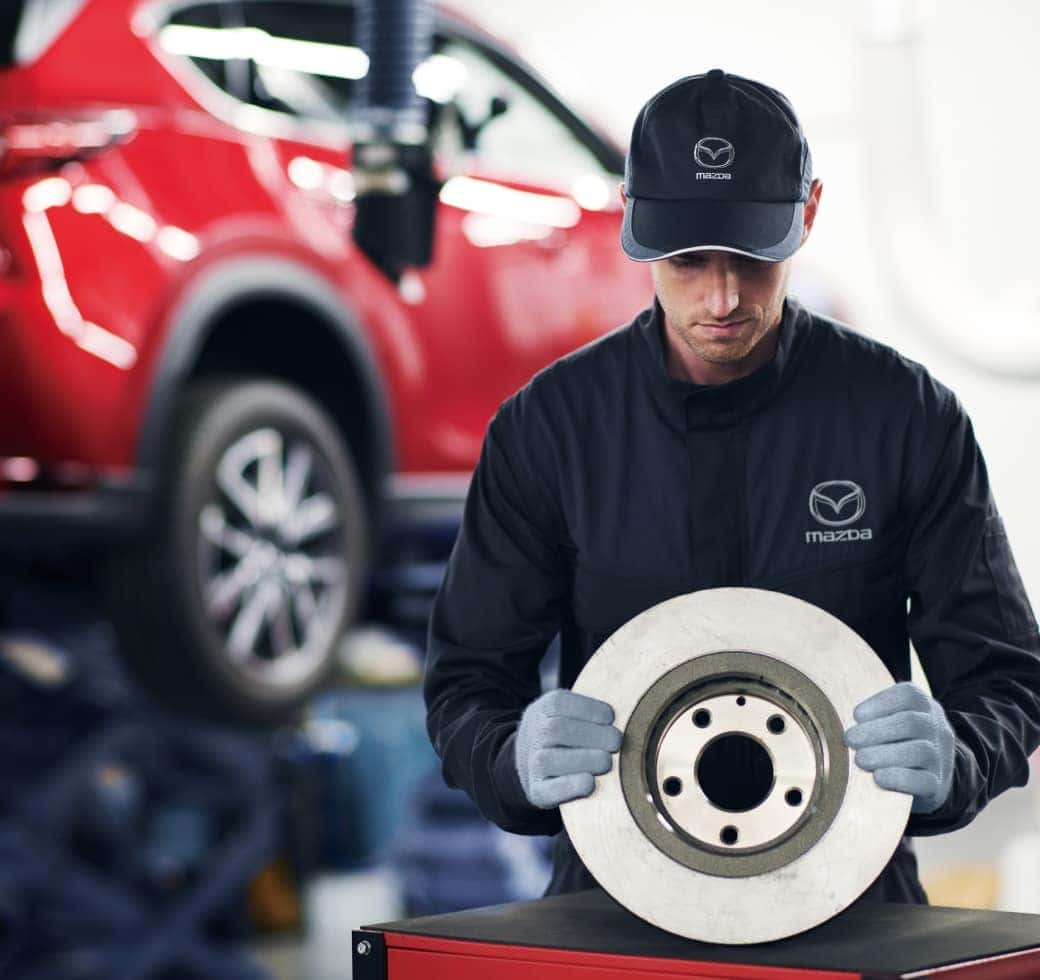
The Mazda Collision Network is Mazda’s network of qualified collision repair shops that meet Mazda’s standards for business operations, training, tools, equipment, and repair quality. Membership means a shop has applied, been approved, and demonstrated ongoing compliance with Mazda’s requirements. Occasionally working on Mazdas doesn’t qualify a shop for the network.
Mazda launched the network in May 2021, naming Mitchell as the program administrator. The network became available to consumers in March 2022. Mitchell monitors participating shops by tracking ongoing compliance with program requirements, cycle time, and customer satisfaction to ensure network shops continue to meet Mazda’s standards over time.
The goal is straightforward: ensure that every certified repair restores a Mazda to its pre-collision condition using the right methods and materials, with the same Mazda repair information shops are required to use for both estimating and repairs.
How Shops Earn Mazda Collision Certification
Not every body shop qualifies. Earning certification requires meeting criteria covering technician training, equipment, parts sourcing, and documentation. The process is thorough by design.
Technician Training and Mazda-Specific Credentials
Technicians at a certified shop must complete training focused specifically on Mazda’s engineering and repair protocols, covering the proper handling of high-strength materials and the correct procedures for working with Mazda’s advanced safety technologies. That goes well beyond general collision repair knowledge.
Ongoing education is also required. As Mazda refines its engineering across model lines like the CX-5, CX-50, CX-90, and Mazda3, certified technicians stay current on evolving repair practices. That continuous learning requirement is what distinguishes a credentialed network shop from a general-purpose body shop.
Required Equipment and Genuine Mazda Parts
Certification requires shops to invest in the right tools, including precise measuring systems, structural repair equipment calibrated to manufacturer specs, and technology capable of pre- and post-repair scanning and sensor recalibration. These are baseline requirements for joining the network.
Parts sourcing matters equally. Certified shops use Genuine Mazda Parts, engineered to fit and function exactly as the originals. OEM components meet Mazda’s fit tolerances and performance specifications in ways that aftermarket alternatives do not.
Mazda Certified vs. Non-Certified Collision Repair
Here’s how the two options actually compare in practice.
| Factor | Mazda Certified Collision Center | Standard Non-Certified Body Shop |
|---|---|---|
| Technician Training | Mazda-specific training and credentials required | General collision repair training |
| OEM Parts Used | Genuine Mazda Parts required | May use aftermarket or salvage parts |
| ADAS Recalibration | Required pre- and post-repair scanning and recalibration | Not standardized; may be skipped |
| Repair Documentation | Mazda repair information required for estimating and repairs | Shop’s own discretion |
| Compliance with Mazda Procedures | Monitored by Mitchell through ongoing compliance tracking | No external oversight |
| Warranty on Repairs | Aligned with Mazda’s standards and requirements | Varies by shop |
Why Mazda Vehicles Require Specialized Collision Repair
Mazda builds its vehicles with engineering that prioritizes both safety and driving performance. That same engineering is what makes proper collision repair so important. A shop unfamiliar with these design specifics risks compromising both structural performance and safety systems.
High-Strength Steel and Structural Architecture
Modern Mazda vehicles use high-strength steel extensively throughout their body structure. This material is lighter and stronger than conventional steel, supporting efficiency and rigidity, but it behaves differently during collision repair. Standard reshaping and welding techniques can introduce structural weakness if the technician doesn’t understand how these materials must be handled.
Proper repairs require knowing where load paths run through the frame and how to restore the structure so it performs as intended in a future impact. Errors here affect occupant safety, not just appearance.
Advanced Safety Systems and Sensor Recalibration
Mazda’s i-Activsense suite includes technologies such as Smart City Brake Support (SCBS), Lane-Keep Assist, Blind Spot Monitoring, and radar cruise control. These systems depend on radar and camera sensors, along with ultrasonic sensors, positioned precisely within the vehicle’s body structure. After a collision, even a minor impact near a sensor’s mounting point can affect its alignment and accuracy.
Recalibration isn’t optional. Visual inspection alone can’t confirm these systems are functioning correctly. A certified shop has the tools to uncover diagnostic trouble codes triggered during a collision and verify they’re cleared after repair. Skipping that step leaves the vehicle in a compromised state regardless of how the bodywork looks.
Key Benefits of Using a Mazda Certified Collision Center
Choosing a certified shop produces concrete, verifiable outcomes. The work follows documented procedures and uses approved materials, making the repair traceable and consistent with manufacturer standards.
Proper certification also helps protect your vehicle’s warranty. Repairs performed with non-OEM parts or outside Mazda’s structural repair guidelines can affect warranty coverage, particularly on systems tied to the vehicle’s safety architecture. Staying within the certified network removes that uncertainty.
Resale value is worth considering as well. A repair history documented through Genuine Mazda Parts and manufacturer-approved procedures holds up better with buyers and appraisers. It reflects how the vehicle was actually cared for, not just how it looks on the surface.
What to Expect During a Mazda Collision Network Repair
When you bring your Mazda to a certified shop, the process starts with an estimate written using Mazda repair information. Technicians evaluate both visible and hidden damage, examining structural components, safety system mounting points, and areas that may have absorbed impact energy indirectly.
The Repair Process
The repair itself follows Mazda-specific procedures throughout: structural correction, panel work, paint matched to OEM specifications, and replacement components sourced as Genuine Mazda Parts where appropriate. Pre-repair scanning identifies diagnostic trouble codes triggered by the collision. Post-repair scanning confirms those codes are cleared and that all systems are functioning correctly before the vehicle is returned.
Documentation is maintained at each stage, supporting warranty compliance and giving you a clear record of what was done and how.
Communication and Delivery
Expect clear communication throughout the process, including updates on progress, straightforward explanations of any scope changes, and confirmation that all recalibrations were completed. You should leave with a vehicle restored to Mazda’s manufacturer standards, with safety systems that function as Mazda engineered them to.
How to Find a Mazda Certified Body Shop Near You
The most reliable starting point is Mazda’s customer-facing locator at www.mazdausa.com/owners/service, where you can search for certified shops in your area. Your local Mazda dealership is another strong resource, as service departments often maintain relationships with certified shops and can point you toward ones they trust.
When you contact a shop, ask directly about their certification status, which parts they use, and how they handle sensor recalibration and scanning. A shop confident in its credentials will answer those questions without hesitation. Customer reviews from other Mazda owners who’ve had collision work done can add useful context as well, particularly around repair quality and how the vehicle performed afterward.
Trust Kiefer Mazda for Certified Mazda Guidance
For Mazda owners in Eugene, Oregon, Kiefer Mazda is a trusted local resource for service, Genuine Mazda Parts, and guidance after a collision.
- We can help you identify certified collision shops near you and connect you with the right resources.
- Our Service Department can advise on how a collision may affect your vehicle’s warranty and what to expect from the repair process.
- If you are considering a new Mazda following a total loss or simply want to explore your options, our sales team is available to help.
Whether you need direction on where to take your vehicle or just want to talk through your situation with someone who knows Mazda thoroughly, contact us and we will point you in the right direction.
Image courtesy of Mazda USA
0 comment(s) so far on What is the Mazda Collision Network?