



What’s the Difference Between Hybrids and PHEVs in Oregon?
The state of Oregon has declared an ambitious goal: to have at least 25% of registered vehicles and at least half of the new automobiles sold each year be zero-emission models by 2030. By 2035, they plan for this to be 100% of all new vehicles sold.
As part of this proposal, the state has released — and recently reopened — the Oregon Clean Vehicle Rebate program, which will provide rebates ranging between $750 and $2,500 to encourage Oregonians to purchase or lease new and used electric vehicles (EVs). Low-income households can take advantage of additional savings on top for eligible vehicles. Hybrids and plug-in hybrids are two options that allow you to reduce your carbon footprint, lower your daily fuel costs, and contribute to cleaner air. But what’s the difference between the two? Let’s explore.
Key Differences Between Hybrid and Plug-In Hybrid Vehicles
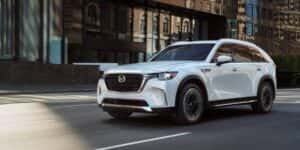
Hybrid vehicles, or HEVs, have both a gasoline engine and an electric motor. The battery is charged through regenerative braking and power from the engine without any need for external charging. Plug-in hybrid vehicles, or PHEVs, also have a gas engine and an electric motor. However, they also have a larger battery that can be charged via an external power source. This helps to extend the all-electric driving range it can provide before it needs to start using gasoline.
Fuel Efficiency and Electric Range Comparison
Hybrids are often more fuel efficient than standard gas-powered vehicles, especially in city driving. They rely on gas for most trips, albeit slightly less than a standard gasoline car. Plug-in hybrid vehicles can travel much longer distances on electric power. They’re ideal for short commutes or running daily errands. Once the battery runs out, they work like a standard hybrid, which uses gas and regenerative braking. For Oregon drivers, this means that a plug-in hybrid can cover many daily trips, especially if you have access to charging points at home or at work.
Battery Size and Charging Needs
Hybrids have smaller batteries that charge themselves when you drive. Plug-in hybrid vehicles have larger batteries that require regular charging. You can charge these batteries with a standard 120-volt outlet overnight or a faster 240-volt charger if you need to get power more quickly. Oregon currently has over 1,500 public charging stations, and there’s state funding assigned to release many more over the coming years.
Performance and Drive Experience
Both hybrid and plug-in hybrid vehicles offer smooth, quiet rides and instant torque from their electric motors. Plug-in hybrids have the added benefit of all-electric driving for short distances, while standard hybrid vehicles will always need to rely on gas. Plug-in hybrid vehicles can deliver an almost silent, emission-free experience when driving around the city, which can help Oregonians save a considerable amount of money on daily commutes, provided they have access to chargers at home, at work, or both.
Pros and Cons: Choosing the Right Option for Oregon Drivers
Here are some pros and cons for you to consider regarding hybrid vs. plug-in hybrid vehicles.
Hybrid Pros
Pros for hybrid vehicles include:
- They don’t need to be plugged in.
- They’re more affordable upfront than plug-in hybrid vehicles.
- They have improved fuel efficiency compared to gas-only cars.
Hybrid Cons
On the downside, hybrid vehicles:
- Have a limited electric range
- Still rely on gas
Plug-In Hybrid Pros
The benefits of plug-in hybrid vs. hybrid include:
- They have a longer electric-only range compared to hybrid vehicles.
- They have lower emissions and fuel costs.
- They’re eligible for Oregon’s rebates and incentives.
Plug-In Hybrid Cons
However, plug-in hybrids:
- Are more expensive upfront
- Require access to charging stations for daily driving
- Are costly when it comes to potential battery replacements
Impact of Hybrid and PHEVs on Oregon’s Environment
Transport makes up over 35% of Oregon’s greenhouse gases. Both hybrid and plug-in hybrid vehicles help reduce these emissions, but plug-in hybrids offer greater reductions when driven purely on electric power. Oregon’s strategy is to increase the number of people driving plug-in hybrid vehicles to combat climate change and improve the state’s air quality.
State Policies and Incentives for Hybrid and PHEV Adoption
Oregon has some generous incentives to encourage more locals to choose plug-in hybrid vehicles or EVs, including:
- Up to $2,500 in rebates is available for qualifying EVs and plug-in hybrids bought after May 22, 2025.
- Up to $7,500 in rebates is available for low- to moderate-income households.
- All new light-duty state agency vehicles must be plug-in hybrid, all-electric, or hydrogen fuel cell vehicles.
- All new cars sold in Oregon must be either fully electric or plug-in hybrid by 2035.
These incentives make plug-in hybrid vehicles particularly attractive if you’re an Oregon driver looking to maximize savings and get ahead of regulations. Choosing an EV can future-proof your vehicle choice, especially if you plan to keep it long term.
Making the Decision: Hybrid vs. PHEV for Your Lifestyle
Choosing between a hybrid and a plug-in hybrid is a personal choice that depends on your priorities and goals. Choose a hybrid if:
- You don’t have access to a charger at home or at work.
- You want better fuel efficiency without changing your routine.
- Your budget is a priority.
- You won’t keep your vehicle long term.
Choose a plug-in hybrid if:
- You can conveniently and regularly charge your vehicle.
- Most of your trips are within the electric-only range of your vehicle of choice.
- You want to maximize rebates and further reduce emissions.
- You want to keep your vehicle in the long run, when plug-in hybrids will be mandatory.
Shop Mazda Vehicles at Kiefer Mazda in Eugene
Oregon is committed to clean transport and clean air. State policies and incentives are moving towards a future where plug-in hybrids and EVs will be the norm. As the state aims for at least 25% of registered vehicles to be zero-emission by 2030, choosing the right hybrid technology can help you save money and contribute to a healthier environment. Visit us at Kiefer Mazda to explore the range of hybrids and plug-in hybrids we have available. Chat to our team for expert advice on different options and schedule a test drive in Eugene so you can make a confident decision.
Image courtesy of Mazda USA

0 comment(s) so far on What’s the Difference Between Hybrids and PHEVs in Oregon?