



What Are the Requirements for Traction Tires in Oregon?
Oregon’s winter presents various challenges for motorists, including snow, ice, and treacherous mountain routes. Traction tires can provide protection in these severe conditions. In this article, our team at Kiefer Mazda in Eugene provides you with everything you need to know about Oregon’s traction tire laws to help you avoid hefty fines and keep you safe on the road during the perilous winter season.
Understanding Traction Tires
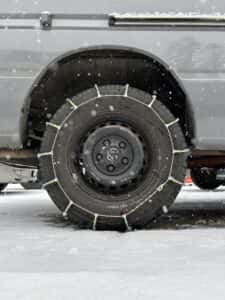
Traction tires provide significantly better grip on snow and ice than all-season tires. In Oregon, you can identify legitimate snow tires by the three-peak mountain snowflake symbol on the sidewall, which indicates they have successfully passed rigorous winter driving tests. Most winter tires have this rating, complying with Oregon’s stringent standards.
These tires use rubber that stays soft in freezing temperatures, while regular tires become stiff and slippery. The tread has tiny grooves called sipes, creating additional edges that bite into snow and ice. This combination of flexible rubber and clever tread design pushes slush away, ensuring you maintain traction on the road.
You have traction tire options to choose from. Some have metal studs for grip on solid ice, while others use aggressive tread patterns and specialized rubber compounds. Newer types have adjustable studs that can appear or be concealed depending on the conditions. Some tires are designed to accommodate studs that can be added later. Your choice of tires will depend on where you drive most in Oregon’s diverse winter landscape.
When Are Traction Tires Required in Oregon?
From October through March, many highways and mountain passes in Oregon require the use of traction tires or chains. Watch for road signs that indicate snow zones or chain requirements. These rules apply throughout the year since the weather in the mountains can change rapidly.
Failing to comply with these regulations can result in a minimum fine of $880. Truck drivers face steeper penalties of over $1,000 for chain law violations. According to data from the Oregon Department of Transportation (ODOT), December has been the month with the highest number of crashes in Oregon over the past decade, except for 2020.
Before traveling, it’s essential to check the driving conditions. ODOT’s TripCheck is available 24/7, providing maps, live road cameras, and travel times. You can also call 511 for the same information via phone. Be sure to check the weather before heading into the mountains to avoid being caught in unexpected snowstorms without the proper traction.
Vehicle Types Subject to Traction Tire Laws in Oregon
Not all vehicles are subject to the same regulations in Oregon. Cars, SUVs, and light trucks must follow posted traction requirements during winter. However, four-wheel- and all-wheel-drive vehicles are given special exemptions if they comply with specific criteria: weighing 6,500 pounds or less when empty, providing power to all wheels, equipped with chains, having suitable tires on all wheels, not towing anything, and driving carefully to avoid spinning out.
Larger trucks are subject to more stringent regulations due to their size and potential road impact. Buses weighing over 10,000 pounds with disability modifications don’t need chains unless they’re towing something. Most trucks are required to carry and use proper traction gear when needed. First responders, including police officers, firefighters, ambulance crews, and highway maintenance teams, are exempt from the traction requirements when they’re responding to emergencies or performing road repairs.
Motorcycles are uniquely classified within Oregon’s traction regulations. They don’t need to carry chains or traction tires at all. Motorcycles are prohibited from operating in conditions where other vehicles must utilize traction gear. Understanding your vehicle’s classification will help you avoid unexpected issues and fines during winter travel.
Traction Tires vs. Tire Chains in Oregon
Your decision to use traction tires or chains will depend on your driving habits. Traction tires work instantly — you don’t need to stop in blizzards to wrestle with chains. You can drive at normal speeds and have improved handling on dry surfaces. Although they cost more up front, chains are more economical for occasional mountain trips and may provide better grip in severe conditions.
Oregon has specific regulations regarding the use of chains. For dual wheels, the chain can be installed on either the inside or outside tire. If you’re opting for traction tires instead of chains, place them according to the chain regulations, generally on the drive wheels. If chains don’t fit your vehicle, there are fabric slip-on alternatives available for short challenging areas only.
Traction tires are practical if you regularly drive on mountainous terrain, while chains are adequate if these trips are infrequent. Consider your routes, storage space, and your willingness to install chains in storms. Both traction tires and chains are effective when utilized correctly — choose the one that best suits your driving needs.
Types of Approved Traction Devices in Oregon
Oregon offers several traction options. Studded tires have hard nubs that protrude 0.04 to 0.06 inches from the tread and can be used from Nov. 1 through March 31. They’re great on pure ice but less effective on other surfaces, such as dry or wet pavement.
Studless snow tires with the three-peak mountain snowflake symbol provide traction on snow without metal components. They are quieter and work better than studs in most winter conditions except on pure ice surfaces. Some newer technology includes retractable studs that protrude at least 0.04 inches and can be hidden when necessary.
Traditional chains remain effective and are usually more affordable. They’re available in heavy links, lighter cables, and various designs. Winter tires often pack reinforced casings and tough steel belts inside to handle harsh conditions. Studdable tires allow you to add metal studs if you want. Although fully studded winter tires provide maximum grip on ice, they’re noisier and can damage road surfaces. Consider your typical winter driving scenarios when choosing, since daily commuting needs differ from weekend ski trip requirements.
Prepare Your Vehicle for Winter in Eugene, Oregon
Besides appropriate tires, it’s essential to prepare your entire car for winter. Check the antifreeze and make sure it can function at temperatures as low as -25 degrees Fahrenheit. Replace regular washer fluid with a winter mixture that won’t freeze. Monitor your tire pressure since cold air can cause it to decrease. Test your heater, brakes, lights, exhaust, fuel system, oil, brake fluid, defroster, battery, and radiator. A dead battery or frozen brake fluid can leave you stranded just as fast as poor traction.
Visit Kiefer Mazda for Your Vehicle Needs
The experts at our Mazda service center can identify problems you may miss. They’ll spot a worn belt before it breaks in a snowstorm or refill fluids you didn’t realize were low. They can recommend traction solutions that suit your specific car model and driving style. Contact us at Kiefer Mazda for expert advice. We know Oregon roads and what your car needs to navigate them efficiently. From selecting the right tires to comprehensive winter inspections, we’ll help you tackle snow, ice, and mountain passes with confidence.
Photo by Jim Moriarty on Unsplash
0 comment(s) so far on What Are the Requirements for Traction Tires in Oregon?