



Snowfall History in Eugene, OR
Eugene’s relationship with snow is complicated. Some winters pass with barely a flake, while others dump enough snow to shut down the city for days. If you’re wondering about Eugene Oregon snowfall history or trying to figure out whether you need a vehicle equipped for winter conditions, understanding the local climate patterns can help you prepare.
The Willamette Valley’s geography creates unique weather dynamics where cold air channeling through mountain gaps meets Pacific moisture, occasionally producing significant snow events that catch residents off guard.
Eugene’s Snow Climate: What to Expect
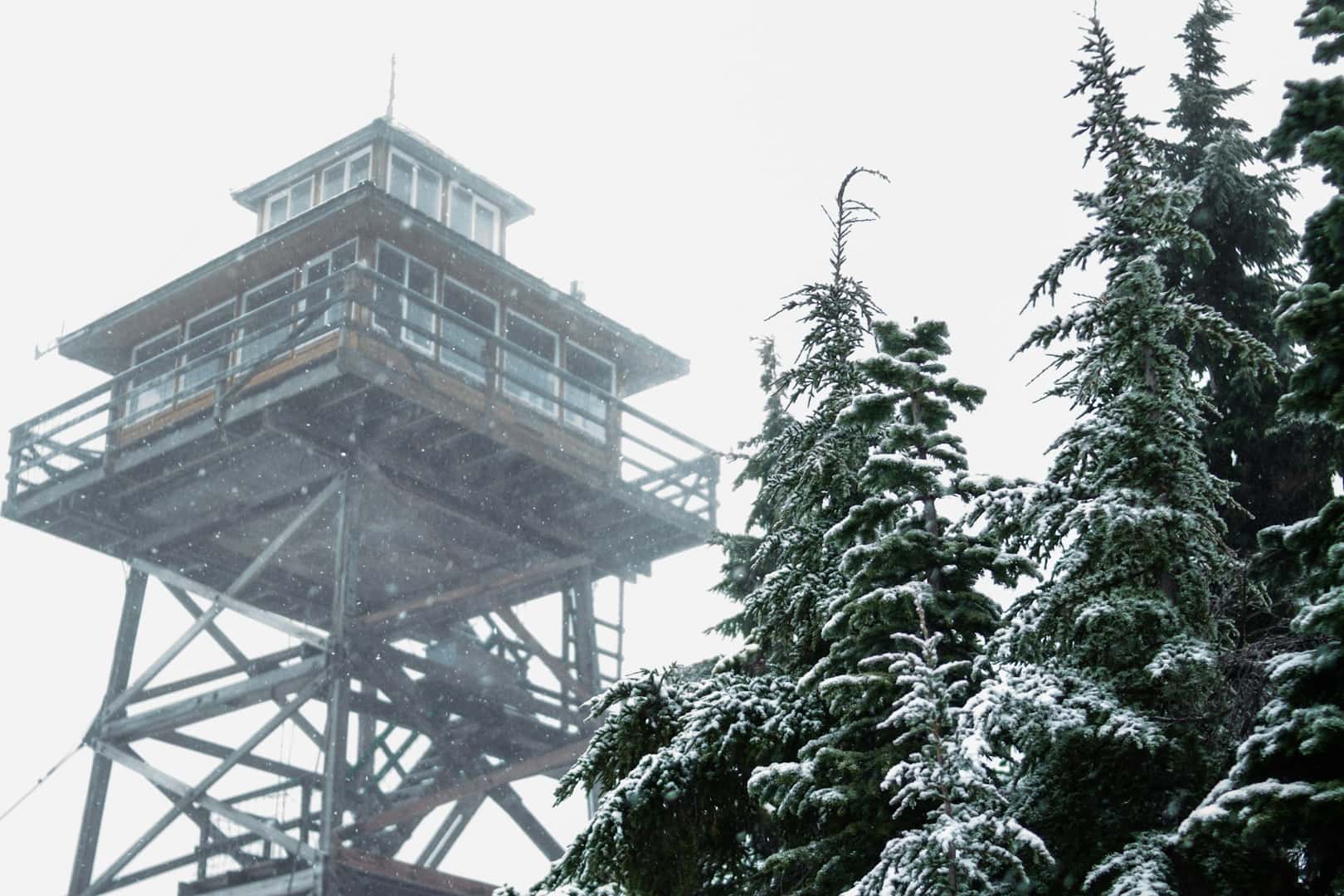
Eugene sits in a transitional climate zone where mild, rainy winters dominate, but occasional arctic outbreaks can transform the landscape overnight. According to National Weather Service data, Eugene sees about 5-6 inches of snow each year across roughly 4 days with measurable accumulation. Most winters bring light dustings that disappear within hours, but the region’s maritime influence combined with elevation changes creates conditions where snow accumulation varies dramatically across neighborhoods. East Eugene typically sees more snow than the River Road area due to slight elevation differences and cold air pooling.
The question “Does it snow in Eugene, Oregon?” has a straightforward answer: yes, but inconsistently. You might experience three consecutive winters with minimal snow, followed by a season that delivers substantial accumulation. Temperature inversions trap cold air in the valley while warmer air sits above, creating conditions where Eugene snow events can persist longer than in surrounding areas.
How Eugene Compares to Other Oregon Cities
Eugene’s snowfall patterns reflect its Willamette Valley location, which moderates winter weather compared to higher elevations while receiving more snow than coastal areas:
| City | Average Annual Snowfall | Notable Characteristics |
| Eugene | 5-6 inches | Valley location moderates snow |
| Portland | ~4 inches | Similar valley climate |
| Salem | ~4-5 inches | State capital, valley floor |
| Corvallis | ~3-4 inches | Comparable Willamette Valley location |
| Bend | ~30+ inches | Higher elevation, Central Oregon |
Key Snow Statistics for Eugene
Quick reference data:
- Annual average: 5-6 inches
- Average snow days per year: 4 days
- Snowiest winter on record: 1968-69 with 49.4 inches
- Single-day record: 14 inches on January 25, 1969
- Snowiest month: January 1969 with 47.1 inches
Understanding how much snow does Eugene Oregon get requires looking beyond averages. Single-day snowfall totals during major events often exceed entire seasonal accumulations from typical years.
Notable Snowstorms in Eugene’s History
The Historic 1969 Snowstorm
The 1968-69 winter remains legendary for good reason. This season delivered 49.4 inches total, making it Eugene’s snowiest winter on record by a wide margin. But the real drama happened during a concentrated period in late January when 47.1 inches fell throughout the month, with 14 inches accumulating on January 25th alone. That single-day doubled the previous record and nearly matched what Eugene typically sees in an entire year.
This snowstorm caught the community completely unprepared. Eugene effectively became what witnesses described as “a ghost town.” The State Employment Office processed over 7,000 unemployment claims for work lost due to the storm, while snow removal costs exceeded $50,000 (a massive sum for 1969). Neither Eugene nor Springfield owned actual snowplows at the time. Officials had to improvise with road graders designed for summer road maintenance.
The impacts were severe and widespread. Multiple structures collapsed under accumulated snow weight, including commercial buildings and residential garages. By January 28, temperatures plummeted to 1°F with 34 inches still on the ground. No flights operated from Mahlon Sweet Airport, with one Air West DC-9 stranded for six days. Garbage collection ceased completely. Taxi companies were overwhelmed with calls, and four-wheel drive vehicles became necessary for transporting telephone operators to work. University of Oregon classes were canceled for days (an extremely rare occurrence). Logging operations in Lane County halted entirely as access roads became impassable.
The 1969 storm’s legacy extends beyond its immediate impact. It established a benchmark that shapes how current generations perceive winter risk and fundamentally changed Eugene’s approach to winter preparedness, influencing municipal snow removal strategies and resident awareness about the potential for extreme weather events.
The 1915-16 Winter Storm
The 1915-16 winter produced 44.9 inches of seasonal snowfall, but the real standout was March 4, 1916, when 10.7 inches fell in a single day. This remains Eugene’s all-time single-day snowfall record more than a century later. Just one day earlier, on March 3, 3.0 inches had already accumulated, creating challenging conditions for a community with minimal snow removal equipment.
This early 20th-century event shows that major snowstorms have punctuated Eugene’s weather record throughout recorded history. The late-season timing made everything worse (warmer temperatures were expected by early March). Historical accounts describe widespread disruption to transportation and commerce, with the city’s limited infrastructure overwhelmed by conditions it rarely faced.
Recent Significant Snow Events
While Eugene’s most legendary storms occurred decades ago, recent years have delivered notable events that tested the city’s improved snow response capabilities. On February 25, 2019, Eugene received 8.5 inches between midnight and noon, causing widespread school closures and transportation disruptions. December 26, 2021 brought 8.2 inches, while December 6, 2013 deposited 7.0 inches across the metro area.
These recent events highlight changing demographics and preparedness levels. Eugene’s growing population includes many transplants from regions with different winter experiences, creating diverse levels of snow-driving competency and home preparedness. The question “how often does it snow in Eugene Oregon” doesn’t have a fixed answer, but recent events show that meaningful snow remains a realistic possibility each winter season.
How Eugene Handles Snow and Winter Weather
Eugene’s approach to snow management reflects its status as a city where winter storms represent occasional challenges rather than routine occurrences. The city maintains a tiered response system, prioritizing main arterials and emergency routes while residential streets receive attention as resources allow. Following major snowstorms, full road clearance typically takes 24-36 hours once precipitation ends and plows can deploy around the clock.
Local agencies coordinate during snow events to share resources and information. The city works with Lane County road departments, school districts, and emergency services to maintain situational awareness and respond to developing conditions. This collaboration helps stretch limited snow removal equipment across wider areas and ensures emergency response capabilities remain functional.
The contrast with 1969 is stark. While that historic storm found Eugene without dedicated snowplows (forcing the use of road graders), modern snow response includes purpose-built equipment and established protocols. The city emphasizes preventive messaging, encouraging residents to limit travel during active snowfall and allow treatment crews to work efficiently.
Winter Preparedness Tips for Eugene Residents
Preparing for Eugene’s occasional winter weather starts with maintaining basic emergency supplies. Keep flashlights with fresh batteries, non-perishable food, water, and necessary medications accessible in case winter storms cause power outages or prevent travel. These supplies prove valuable during various emergencies beyond snow events.
Vehicle preparation significantly improves winter safety and mobility. Check tire tread depth and consider whether your current tires provide adequate traction for wet and snowy conditions. Make sure your battery maintains sufficient charge for cold weather starting. Keep an emergency kit in your vehicle including blankets, snacks, water, a phone charger, and basic tools.
Stay informed through reliable weather sources like the National Weather Service that understand local conditions. Eugene’s winter weather can change rapidly as systems move through the region. Sign up for emergency alerts through local systems that provide real-time updates about road conditions and municipal responses.
Staying Safe on Winter Roads in Eugene
Winter driving in Eugene requires adjusting expectations and techniques for conditions that appear infrequently. Reduce speed significantly on snow-covered or icy roads, increase following distances to allow extended stopping distances on slippery surfaces, and avoid sudden steering inputs or aggressive braking that can break traction.
All-wheel drive systems provide better acceleration traction but don’t improve stopping ability on ice. Front-wheel drive vehicles generally handle snow better than rear-wheel drive configurations, though proper tires matter more than drive system. Ground clearance becomes important when residential streets accumulate several inches before treatment, as adequate clearance prevents vehicles from getting stuck on packed snow between tire tracks.
Recognize when staying home represents the safest choice. Eugene’s hills become particularly treacherous during snow and ice events, with limited municipal treatment on residential streets. During the February 2019 event, several inches accumulated across Eugene, and Highway 126 saw closures while treatment on residential streets in areas like River Road was delayed. Many accidents occur when drivers overestimate their abilities or their vehicle’s capabilities.
Find Your Winter-Ready Vehicle at Kiefer Mazda
Whether you’re considering a new Mazda with available all-wheel drive or exploring used cars suited to Eugene’s variable winter conditions, Kiefer Mazda provides local expertise about which vehicles best match regional needs.
Keeping your vehicle maintained matters just as much as choosing the right one. Our factory-trained Mazda service team handles everything from tire checks and battery tests to routine maintenance, so your vehicle is ready when winter weather arrives.
Contact our team at (855) 538-1107 to discuss winter-ready options.
Photo by Dimitri Bong on Unsplash
0 comment(s) so far on Snowfall History in Eugene, OR