



How Many Miles Is Too Many for a Used Car in Eugene?
Shopping for a used car almost always starts with the same question: how many miles are on it? The odometer reading is usually the first filter buyers apply, and for good reason. Mileage gives you a rough snapshot of how hard a vehicle has worked. But used car shopping is rarely that simple, and that number alone won’t tell you whether you’re looking at a solid investment or an expensive problem.
If you’re ready to start browsing, take a look at our used vehicles inventory to see what’s currently available at Kiefer Mazda in Eugene.
Why Mileage Is One of the First Things Used Car Shoppers Check
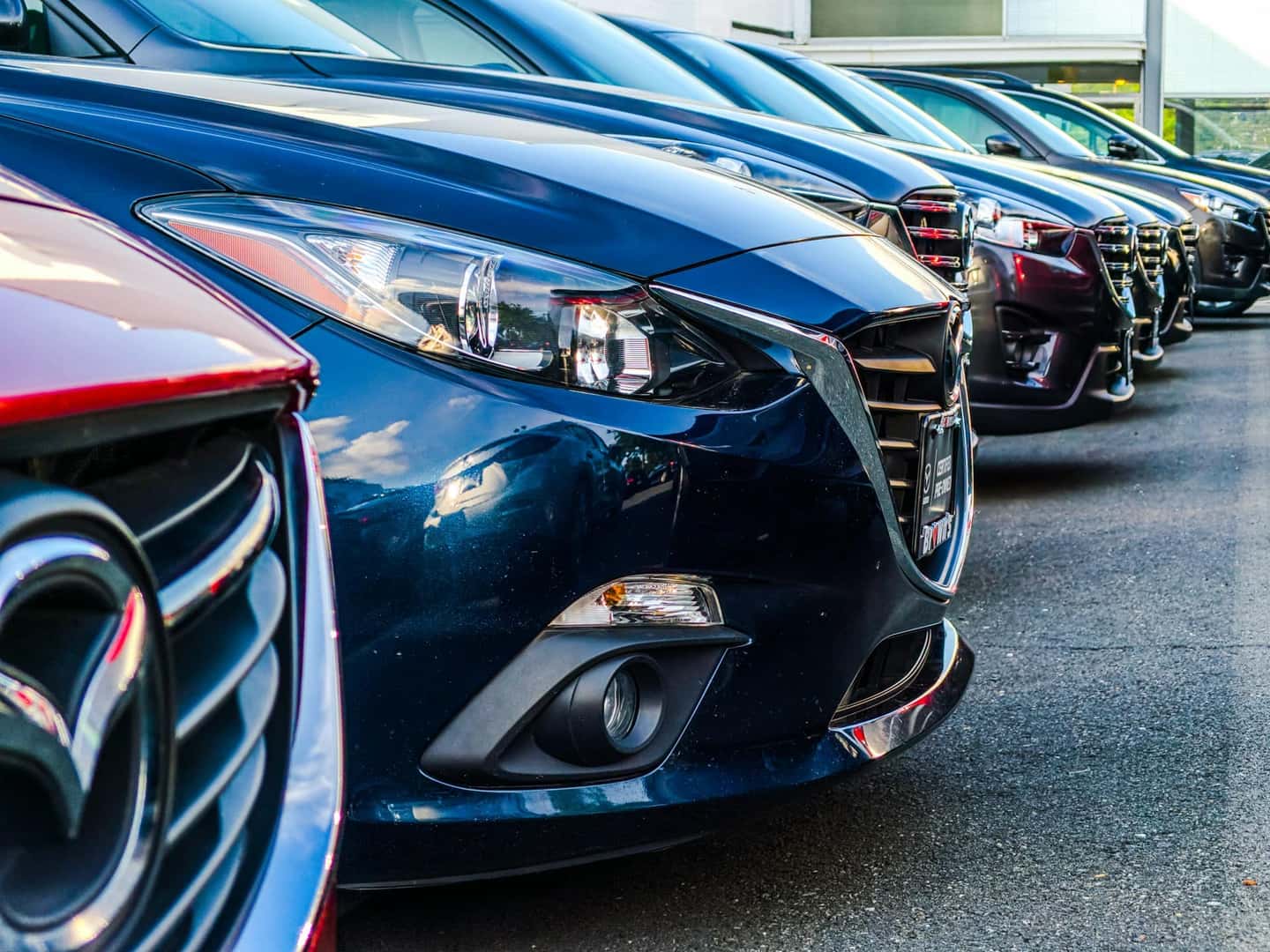
Mileage matters because it’s one of the clearest indicators of wear and tear. The more miles a vehicle has logged, the harder its mechanical components have worked. Brakes, tires, belts, fluids, and engine parts all degrade over time, so a high-mileage car naturally raises questions about what’s been replaced, what’s close to failing, and what kind of maintenance it received along the way.
Beyond reliability, mileage directly affects resale value. Lower-mileage vehicles tend to hold their value longer, which is why buyers use the odometer as a quick pricing benchmark. That said, treating mileage as your only evaluation factor is a mistake many used car buyers come to regret. The full picture requires more context.
What Mileage Is Actually Considered High on a Used Car?
There’s no single number that defines “too many miles” for every car in every situation. What counts as high mileage depends on the vehicle’s age, make, how it was driven, and how consistently it was maintained. Still, there are widely accepted benchmarks worth knowing.
The 12,000-Miles-Per-Year Rule of Thumb
The Federal Highway Administration reports U.S. drivers average 13,596 miles annually, making 12,000 to 15,000 miles per year the standard working benchmark. This figure helps buyers quickly judge whether a vehicle is above or below average for its age. A five-year-old car with 60,000 miles falls right in line with that standard.
Use the table below as a quick reference:
| Vehicle Age | Expected Miles | Good Mileage | High-Usage Threshold |
|---|---|---|---|
| 3 years | 36,000 | 30,000 or less | 45,000+ |
| 5 years | 60,000 | 50,000 or less | 75,000+ |
| 7 years | 84,000 | 70,000 or less | 100,000+ |
| 10 years | 120,000 | 100,000 or less | 150,000+ |
When a car sits significantly above average, buyers should factor in accelerated wear. A vehicle showing 100,000 miles or more is generally tagged as high mileage, though that threshold has become less alarming as automotive engineering has improved. Modern vehicles from well-maintained makes routinely reach 200,000 miles without major issues.
High-Mileage Thresholds by Vehicle Type
Not every vehicle ages at the same rate. A well-maintained Mazda or Honda with 120,000 miles may be a safer purchase than a luxury European sedan with 80,000 miles and an incomplete service history. Mazda vehicles have a strong track record for long-term reliability, which means their high-mileage thresholds tend to be more forgiving than the segment average.
| Vehicle Type | Typical High-Mileage Threshold | Common High-Mileage Concerns | Relative Longevity | Best Use Case |
|---|---|---|---|---|
| Sedan (Japanese brands) | 150,000+ | Timing belt/chain, suspension bushings | High | Budget commuter, reliable daily driver |
| Sedan (Luxury/European) | 100,000+ | High repair costs, complex electronics | Moderate | Lower risk when CPO or fully inspected |
| SUV | 120,000–150,000 | Transmission wear, cooling system | Moderate-High | Family hauler with documented service |
| Truck | 150,000+ | Drivetrain wear if used for towing/hauling | High | Work or utility use with known history |
Stop-and-go city driving is genuinely harder on a vehicle than steady highway miles, so two cars with identical odometer readings can be in very different mechanical shape.
Mileage vs. Age: Which Factor Matters More?
Both contribute to a vehicle’s condition in different ways, and you really need to look at them together rather than treating one as the deciding factor.
Age matters because rubber components, seals, gaskets, and fluids degrade over time regardless of the odometer. A low-mileage car that sat for a decade might need more immediate attention than a higher-mileage car that’s been driven and serviced regularly. A car that’s three years old with 45,000 miles sits within the normal range. A car that’s ten years old with 40,000 miles raises the question of why it was barely driven, and whether prolonged inactivity caused mechanical issues. Use both data points together.
How Eugene’s Roads and Driving Patterns Affect Used Car Wear
Eugene’s driving environment is worth factoring into any mileage evaluation. The city offers a mix of urban stop-and-go commuting, suburban surface roads, and frequent access to rural highways and mountain routes. Vehicles driven mostly within Eugene’s urban core endure more braking cycles, more idling, and more transmission shifts per mile than those used primarily on the I-5 corridor or Highway 126 heading toward Portland or the coast.
Eugene also sees consistent rainfall throughout much of the year. That ongoing moisture exposure can affect undercarriage components, brake hardware, and electrical systems if a car wasn’t properly maintained. When evaluating a used car here, it’s worth asking specifically how and where the vehicle was driven.
How to Evaluate a Used Car Beyond the Odometer Reading
Maintenance Records and Service History
Service history is often more telling than mileage itself. A car with 130,000 miles and complete documented maintenance is frequently a better buy than one with 75,000 miles and no paper trail. Look for consistency in service intervals. Gaps of several years or sudden repairs after long periods of inactivity are worth investigating. If a seller can’t produce any maintenance documentation for a higher-mileage vehicle, that absence is itself useful information.
Key Mechanical Components to Inspect
As mileage climbs, certain components reach the end of their designed service life. The timing belt or chain, typically requiring replacement between 60,000 and 100,000 miles, is one of the most important to verify because failure can be catastrophic. Brake pads, rotors, and calipers are straightforward to evaluate but often overlooked. The transmission deserves attention at higher mileage as well. Rough shifting, hesitation, or delayed engagement are warning signs worth taking seriously. A pre-purchase inspection by a qualified mechanic is one of the most valuable steps any buyer can take.
For buyers who want built-in peace of mind, our certified pre-owned vehicles go through a thorough multi-point inspection before reaching the lot, reducing the uncertainty that comes with higher-mileage purchases.
Previous Ownership and Usage
A vehicle with one or two owners and a clear service history suggests consistent care. A car that’s passed through four or five hands raises questions about why it kept changing hands. How a car was used matters as much as how many people drove it. Fleet vehicles and rental cars often have higher mileage but regular scheduled maintenance. Personal vehicles used for towing or hauling will show more strain at any given mileage.
When High-Mileage Used Cars Can Still Be a Smart Buy
A high odometer reading doesn’t automatically make a vehicle a bad purchase. Well-maintained high-mileage cars from reliable brands often represent strong value. Depreciation has already done most of its work, prices are lower, and if the mechanical condition is solid, you can get years of dependable driving for a smaller upfront cost.
For buyers in Eugene on a tighter budget, a high-mileage option from a reputable make can be an entirely sensible choice. The key is doing the verification work before committing.
What to Ask Before Buying a High-Mileage Used Car
Before signing anything, ask these questions directly:
- Can you provide full service records documenting oil changes and scheduled maintenance?
- Has the timing belt or timing chain been replaced, and if so, at what mileage?
- When was the transmission fluid last serviced, and what is its current condition?
- What is the current brake pad thickness, and have the rotors been resurfaced or replaced recently?
- How many previous owners has this vehicle had, and was it used for towing, hauling, or fleet service?
- Has the cooling system been flushed and serviced within the last two years?
- Would you allow a pre-purchase inspection by an independent mechanic before sale?
These questions move you past surface-level impressions and into the specifics that actually determine whether a high-mileage vehicle is worth buying.
Find Your Next Affordable Used Car at Kiefer Mazda in Eugene
The right used car isn’t the one with the lowest mileage. It’s the one where mileage, maintenance history, and overall condition line up to give you the best reliability for your budget. At Kiefer Mazda, we’re here to help you find that balance.
Browse our used cars for sale to see current listings across a range of makes, models, and mileage ranges. Our team can walk you through vehicle history and service records for any car on our lot.
Schedule a Visit or Test Drive
Ready to see a vehicle in person? Schedule a test drive or explore our financing options to understand what fits your budget before you arrive. Have questions before coming in? Contact us and we’ll be happy to help.
0 comment(s) so far on How Many Miles Is Too Many for a Used Car in Eugene?